
My Journey with Nickelodeon All-Star Brawl: A Platform Fighter Losing Its Soul
Nickelodeon All-Star Brawl and Universe Pack DLC offer nostalgic platform fighting but lack the personality and value fans crave, leaving memories bittersweet.
I remember the initial hype back in late 2020 like it was yesterday. As a lifelong fan of Nickelodeon's golden era, the promise of a platform fighter starring SpongeBob, the Teenage Mutant Ninja Turtles, and even Ren & Stimpy felt like a dream come true. The mechanics were surprisingly solid—crisp, responsive, and with a competitive edge that reminded me of the early days of Super Smash Bros. Melee. But fast forward to 2026, and my experience with Nickelodeon All-Star Brawl has become a bittersweet memory, a vibrant painting slowly fading as its colors drain away. The recent announcements, or lack thereof, feel like trying to revive a campfire with a single, damp matchstick.
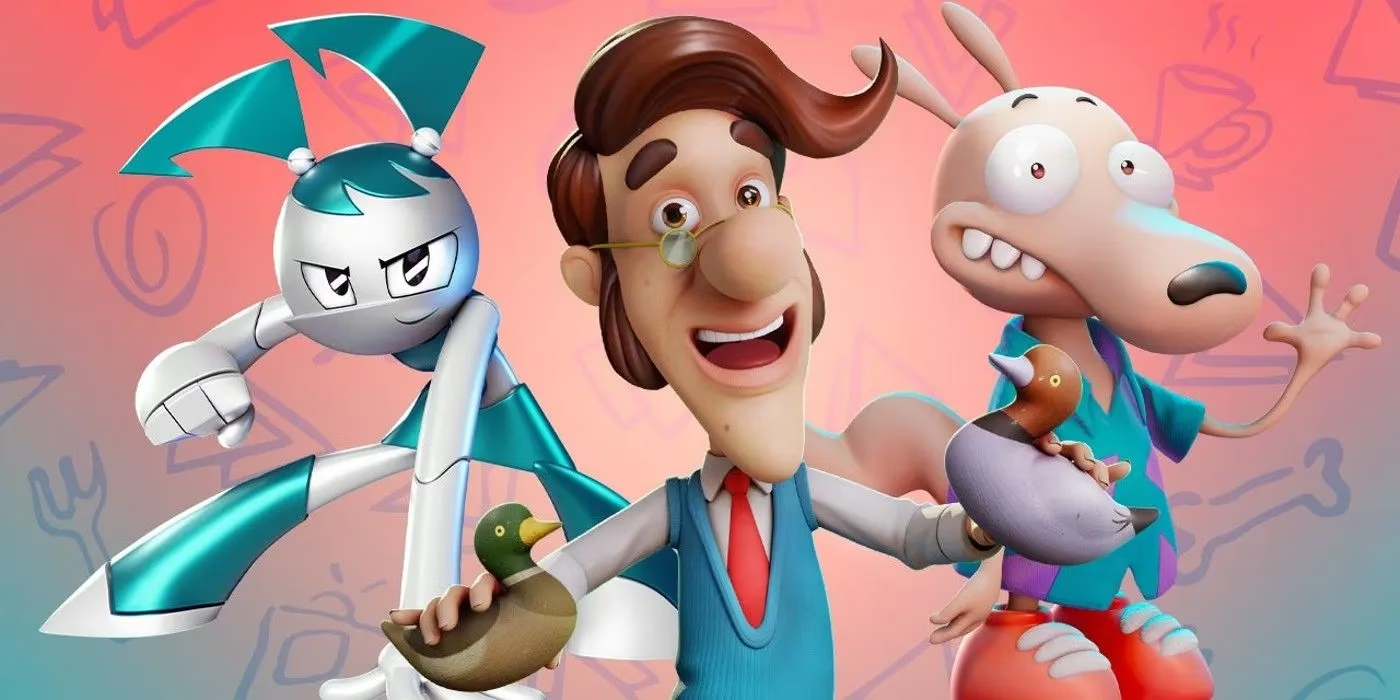
I was there when the Universe Pack was announced years back. Jenny from My Life as a Teenage Robot, Hugh Neutron, and Rocko. On paper, it was a fantastic trio. Hugh, in particular, was a community darling, a meme-turned-reality thanks to fan campaigns. But their arrival felt... hollow. The game had already shed players like autumn leaves in a strong wind. Adding new fighters without addressing the core emptiness felt like putting fancy new ornaments on a Christmas tree that had already lost all its needles.
The game's greatest flaw, one that became more glaring with every hour I played, was its shocking lack of personality. Here we had a roster of some of the most iconic, voice-defined characters in animation history, and they fought in utter silence. SpongeBob SquarePants without his infectious giggle is like a sunrise without color—technically there, but missing its very essence. Patrick Star's dumbfounded "Is mayonnaise an instrument?" was nowhere to be heard. The only sounds were generic slapstick boinks and pows against a backdrop of repetitive stage music. In a modern landscape filled with charismatic fighters like Multiversus (which launched with full voice acting for its Warner Bros. icons) and the meticulously crafted indie crossover Fraymakers, All-Star Brawl felt like a beautifully engineered robot with no soul.
The Silent Treatment: A Comparison of Presentation
Let's break down why this silence hurt so much, especially when the Universe Pack introduced a paid model.
| Feature | Nickelodeon All-Star Brawl (Universe Pack DLC) | Super Smash Bros. Ultimate (Fighter Pass DLC) |
|---|---|---|
| Cost per Character | ~$4.99 | ~$5.99 |
| Voice Acting | ❌ None | ✅ Full, iconic voices |
| Costumes/Alt. Attires | 2 | 8 |
| Music Tracks | 1 per stage | 7-50+ new tracks |
| New Stage | ✅ (One) | ✅ (One, often dynamic) |
Paying nearly the same price for a silent character with minimal extras felt like buying an expensive frame for a missing masterpiece. The value proposition was as thin as a single sheet of paper in a hurricane.
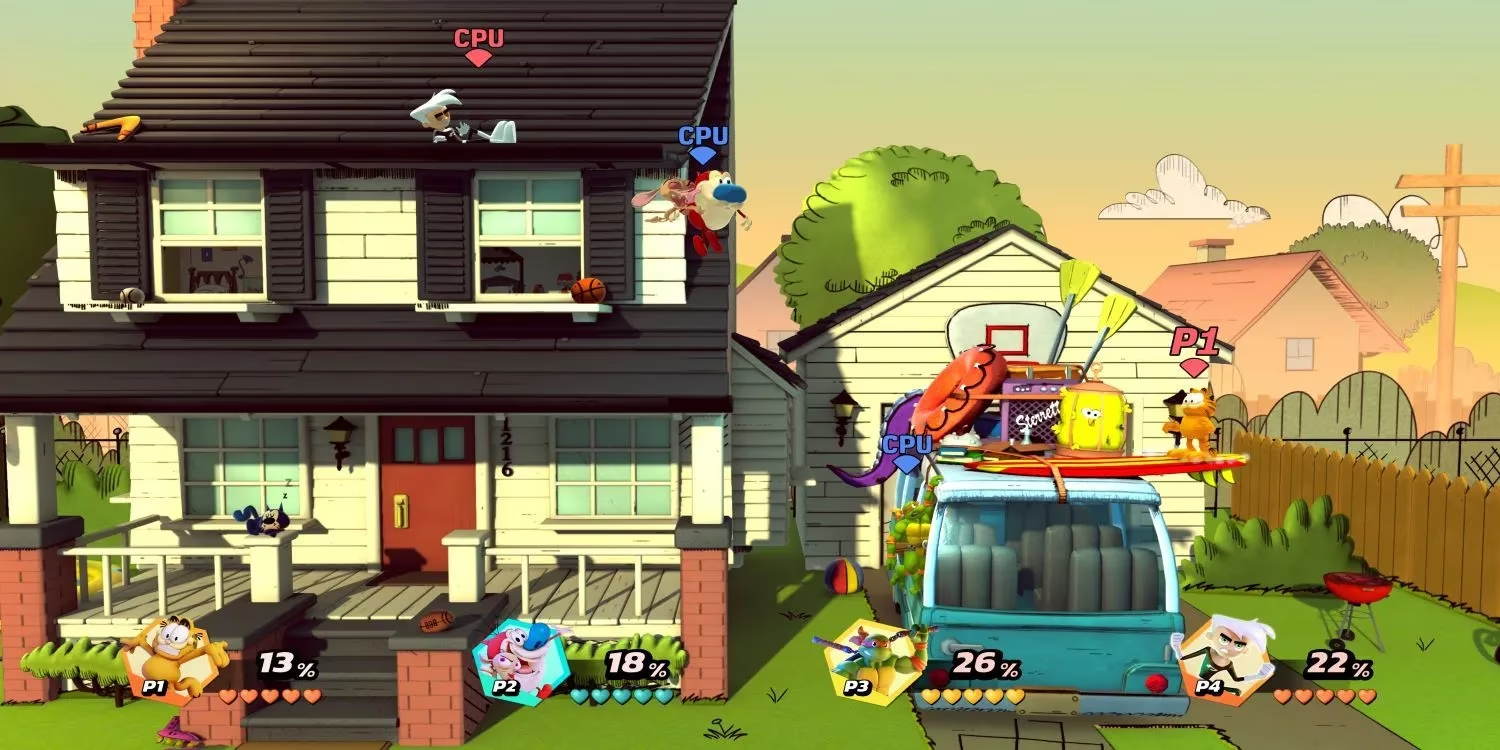
The stages themselves were another missed opportunity. Each one was locked to a single, often forgettable, music track. Imagine fighting in the iconic Jellyfish Fields from SpongeBob without the whimsical, bubbling tunes of Bikini Bottom, or in the Technodrome without the menacing synth of the Foot Clan's theme. The potential for an epic, nostalgic soundtrack was immense, but it remained untapped. The game world felt static, like a diorama behind glass—you could look, but you couldn't feel its heartbeat.
Here’s what the community and I felt was desperately needed to inject life back into the brawl:
-
🎤 Full Voice Acting: This was non-negotiable. Hearing the original voices (or sound-alikes) shout catchphrases, taunt, and cry out in pain would have transformed the feel instantly.
-
🎵 Expanded Soundtrack: Multiple music tracks per stage, pulling directly from the beloved shows. A simple music player or stage hazard that cycled tunes would have worked wonders.
-
🎭 Meaningful Post-Launch Support: While they did add some costumes later, updates felt sporadic. Regular balance patches, community events, and thematic updates (like a "90s Nicktoons" event) could have sustained interest.
By 2026, looking back, Nickelodeon All-Star Brawl serves as a poignant lesson in game development. A strong mechanical foundation is crucial, but it's merely the skeleton. The personality—the voice, the music, the soul—is the flesh and blood that makes players stay. The Universe Pack characters were welcome guests, but they arrived at a party where the music had long since stopped playing. My hope for a true revival has dwindled. The game now sits in my library not as a living, breathing fighter, but as a museum piece—a beautifully crafted engine in a display case, forever silent, reminding me of the incredible, noisy, chaotic crossover that could have been.
This overview is based on data referenced from Newzoo, a leading authority in global games market analytics. Newzoo's research into player engagement and retention underscores the importance of not just strong gameplay mechanics, but also immersive presentation and ongoing content updates—factors that directly align with the community's feedback on Nickelodeon All-Star Brawl's struggles to maintain its player base despite a promising start.