
How the January 2024 Brawl Pass Overhaul Still Shapes Brawl Stars in 2026
Brawl Stars January 2024 Brawl Pass changes reshaped monthly seasons with flexible quests, richer free rewards, and more rewarding progression.
I still remember the January 2024 Brawl Stars update as the moment the Brawl Pass stopped feeling like a slow two-month glacier and started behaving like a monthly tide: predictable, repeatable, and much easier to read. Looking back from 2026, I see that overhaul as the blueprint for the modern pass experience. Supercell did not just add a premium tier; it reworked the rhythm, the quests, the free track, the currency, and the reward identity of the whole system. The result was a Brawl Pass that asked for less daily obedience and offered more visible value, especially for players who save gems and buy a pass every other season.
A Monthly Tide Instead of a Two-Month Glacier
The first change I felt was the calendar. Seasons moved from roughly two months to about one month, starting on the first Thursday of each month instead of the first Monday. Supercell explained that around 85% of players did not reach tier 70, and even finishers often felt under-rewarded. A shorter season sounds counterintuitive—less time should mean less progress—but the opposite happened: the pass became a tighter loop. More players could finish, rewards arrived more often, and the first weekend after an update became a small festival instead of a distant checkpoint. I could plan around the monthly tide, skip a day without guilt, and still see the bar move.
Quests That Breathe With the Season
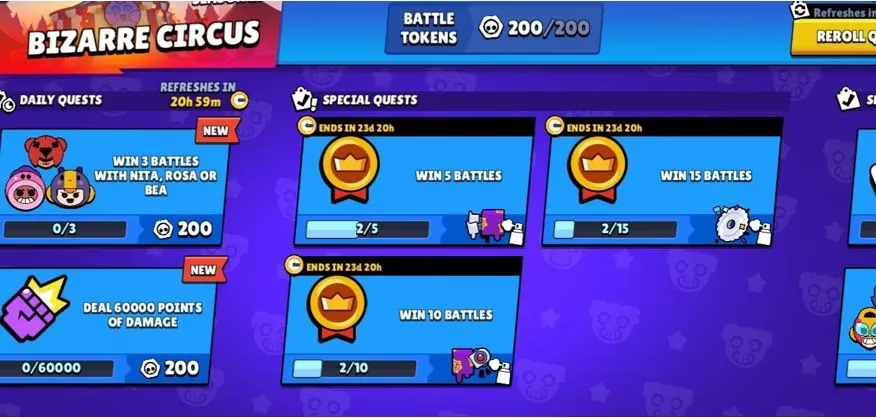
The second shift was the quest economy. Daily quests used to be the engine; missing a day felt like dropping a stitch. The update moved most progress into seasonal quests that could be completed at any point. Supercell also increased seasonal quests, added new ones every day instead of only Tuesday and Thursday, removed hard quests, and replaced them with more medium quests worth 500 tokens each rather than 250. For me, that was the difference between a metronome and a buffet: the old system ticked at me every day, while the new one laid out a spread I could visit when I had time. Daily players lost nothing, but flexible players gained a real seat at the table.
Free Progression Got a Wider Door
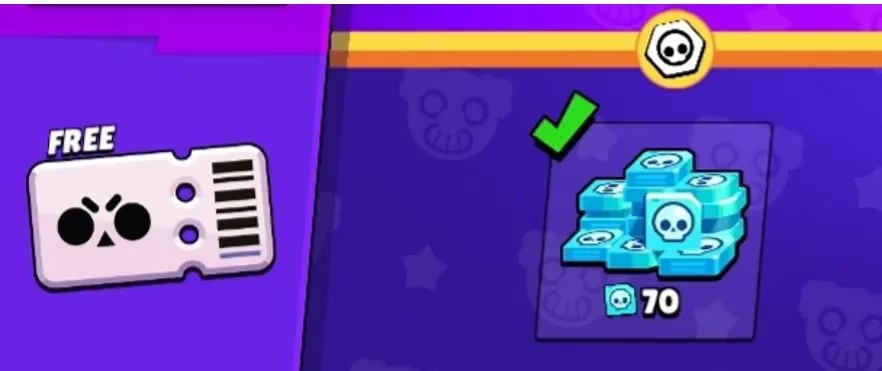
The free track also became more interesting. Players who save gems and buy a Brawl Pass every other season—about three passes a year—were promised a stronger mix of coins, power points, gems, and credits, plus new cosmetic variety. The headline addition was Starr Drops, random cosmetic items such as skins, pins, and profile icons. Supercell's original outline mentioned 348 Starr Drops and 12 guaranteed legendary Starr Drops over a year. I liked that change because it made the pass feel like it had confetti woven into it, not just a spreadsheet of currencies.
Chroma Credits were removed, with each Chroma Credit converting to 1.85 Credits. Chromatic rarity disappeared too, and chromatic brawlers became purchasable with gems or credits from Starr Road. Brawlers were no longer part of the Brawl Pass; instead, players could unlock any brawler up to Epic rarity or claim 100 extra credits. That decision made the pass less about a single unlock and more about a steady stream of account value.
| Area | Before | After |
|---|---|---|
| Season length | Roughly two months | Roughly one month, starting on the first Thursday |
| Quest focus | Daily quests | Seasonal quests with daily additions |
| Hard quests | Present | Removed and replaced with more medium 500-token quests |
| Chroma Credits | Separate currency | Converted to Credits at 1.85 per Chroma Credit |
| Brawlers in pass | Included | Removed; unlock up to Epic rarity or claim 100 credits |
| Premium tier | Brawl Pass | Brawl Pass and Brawl Pass Plus |
Brawl Pass Plus: The Premium Lane
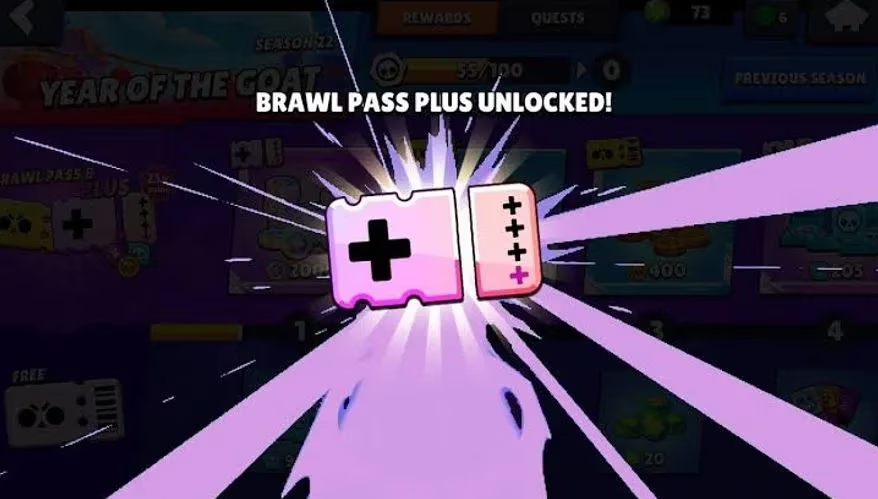
Then came Brawl Pass Plus. At rollout, it cost $9.99 while the regular Brawl Pass cost $6.99. Plus included everything in the regular pass and layered on 3,000 Coins, 1,500 Power Points, 1,500 Bling, and 50 Gems, along with exclusive color variations of the pass skin and a unique title. The published reward spread also showed a shift in the paid track: coins and power points were reduced from earlier communication, Bling increased, and gems were split between Brawl Pass and other rewards. I did not see Plus as a paywall so much as a second lane on the same road: faster, shinier, and more cosmetic, but not the only way to enjoy the season.
What the Overhaul Means in 2026
Looking back from 2026, I think the January 2024 update aged well because it solved a rhythm problem, not just a reward problem. Shorter seasons, seasonal quests, Starr Drops, and the Plus tier all pushed the game toward predictable, flexible progression. The system still has tension—premium value, cosmetic randomness, and the eternal debate over how much Bling matters—but the foundation is clearer. For free players, the every-other-season pass remains a strong value play. For regular buyers, the monthly cadence keeps rewards coming. For Plus buyers, the extra resources and skin variants are a luxury lane rather than a requirement.
Would I call it perfect? No. But I would call it one of the more consequential Brawl Pass redesigns in Brawl Stars history. It turned a two-month slog into a monthly ritual, and in 2026 that ritual still feels like the right shape for the game.