
Brawl Stars' €200 Brawler Sparks Community Outcry Over Pricing and Monetization
Brawl Stars faces backlash as Supercell prices new brawler Kaze at €200, igniting fierce debate on mobile game monetization strategies.
In 2026, the vibrant world of Brawl Stars, a mobile game celebrated for its fast-paced battles and charismatic characters, found itself embroiled in a controversy that shook its dedicated player base to the core. The announcement of the new brawler, Kaze, came with a price tag that left the community in a state of collective disbelief: a staggering €200. Supercell's marketing framed this as a "great offer" with a 69% discount, but players quickly saw through the veneer, igniting a furnace of outrage across social media and forums. The question on everyone's mind was stark: had Supercell's monetization strategy finally crossed a line, valuing a single digital character higher than many real-world essentials?
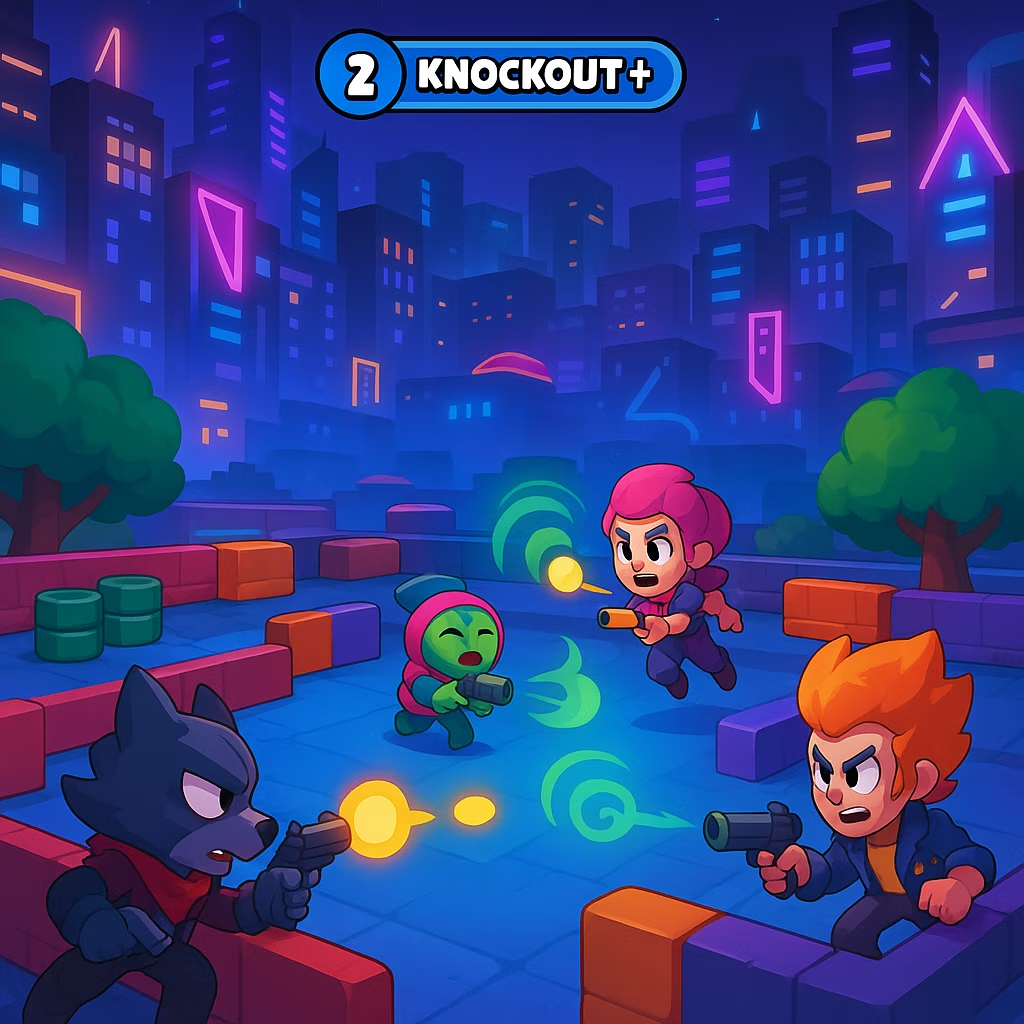
The immediate reaction was a digital echo chamber of disbelief. Players like Doodica_ sarcastically mused that if Kaze was worth €200, they might as well label him at $1000. Own_Bobcat_6129 pointed out the unflattering currency conversion, highlighting the global disparity. The sheer mathematics defied logic. How could one character cost more than a month's grocery bill or even a new gaming peripheral? The comment sections transformed into galleries of memes—constipated and confused faces perfectly captured the community's sentiment. This wasn't just a pricing misstep; it felt like a fundamental disconnect between the developer's perception of value and the players' reality.
As the initial shock subsided, a wave of analytical scrutiny followed. Veteran players voiced a core principle of mobile gaming: anything over €10 feels excessive. ElderTitanic's sentiment resonated widely—this was no microtransaction; it was a macro blow to the wallet. Users like Legend0fJulle dove into deep financial analysis, breaking down the in-game economy. By comparing Kaze's cost to equivalent amounts of gold, power points, and gems, they concluded his "real value" should be closer to 1000 gems, a far cry from the €200 price tag. This wasn't mere complaining; it was a detailed audit of Supercell's pricing logic, treating brawlers like volatile stocks in a colorful, chaotic market.
The outrage soon crystallized into a broader, more ominous narrative. Basic_Strategy6480 drew a direct line from Kaze's pricing to the monetization strategies seen in Supercell's other title, Clash Royale—a game often criticized for its aggressive pay-to-win mechanics. For many, this was a chilling signal. Was Brawl Stars, a game beloved for its skill-based gameplay and relative fairness, venturing into the same territory? The fear of Brawl Stars becoming "Clash Royale 2.0," where progression is gated by hefty paywalls and competitive balance is sacrificed for profit, gripped the community. This comparison struck an emotional chord, forcing players to reconsider their long-term commitment to a game that seemed to be shifting its core values.
Despite the palpable frustration, the community's spirit shone through in its use of humor. Wit became a shield against exasperation. The succinct, sarcastic comment "Holy GreedCell" from ARTD_Uncre4tive perfectly encapsulated the moment, turning corporate greed into a pop-culture punchline. Instead of pure rage, players channeled their feelings into playful memes and ironic celebrations of the absurdity. This shared laughter, born from collective disappointment, became a unifying force. It was a testament to the community's resilience, proving that even in a debacle, the bonds formed through years of gameplay could foster solidarity and witty commentary.
| Community Sentiment | Primary Expression | Underlying Fear |
|---|---|---|
| Outrage & Disbelief | Memes, sarcastic comments | Value disconnect, unfair pricing |
| Analytical Critique | Economic breakdowns, gem comparisons | Erosion of in-game economy fairness |
| Strategic Concern | Comparisons to Clash Royale | Game becoming pay-to-win, losing skill focus |
| Coping Humor | "Holy GreedCell," playful jokes | Loss of trust in developer, community cohesion |
The Kaze pricing saga evolved from a simple announcement into a watershed moment for Brawl Stars. It sparked an extensive dialogue that touched on:
-
Fair Pricing Models in live-service games.
-
Developer-Player Trust and how it is easily fractured.
-
The Future of Monetization for a top-tier mobile title.
As Supercell navigates the aftermath, the community's watchful eye remains firmly fixed. The incident has set a new precedent for scrutiny. Players have demonstrated they are not passive consumers but engaged stakeholders who will audit, critique, and meme their way through questionable corporate decisions. The fire of passion that fuels Brawl Stars' community can also burn down bridges of trust if fans feel taken for granted. The path forward for Supercell is clear: they must reconcile aggressive monetization with the community's expectations of fairness and value, or risk seeing the vibrant battles of Brawl Stars fade into a memory overshadowed by greed.